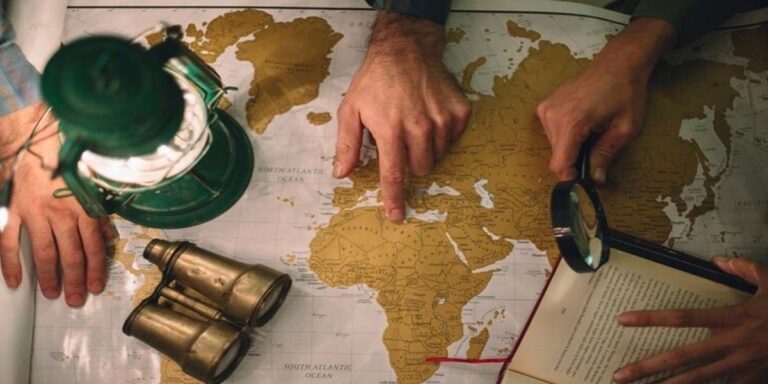
Geographical history offers a fascinating look into the world as we know it by examining the evolution of land formations, climate, and human settlements over time. It bridges geography and history, exploring how continents shifted, civilizations emerged, and landscapes transformed. By studying these changes, we gain insight into how natural forces and human actions have shaped not just physical terrain but also the social and cultural dynamics of societies.
Ancient maps and archaeological findings give us clues about how early humans interacted with their environments, adapting to natural resources and developing unique cultures influenced by geography. From the fertile river valleys of Mesopotamia to the mountainous regions of the Andes, geographical features played a vital role in the rise of empires, trade routes, and migration patterns.
In modern times, geographical history also considers the impact of political borders, colonization, and urbanization on landscapes and communities. Shifts in these borders have reshaped nations and left lasting legacies on populations worldwide, often affecting languages, religions, and traditions.
Understanding geographical history is essential for appreciating the present-day world. It offers a deeper perspective on current environmental and geopolitical issues by tracing their roots in the past. Whether you’re interested in natural history, ancient cultures, or political evolution, studying geographical history uncovers the connections between land, people, and power across centuries. Through this lens, we see how geography continues to be a pivotal force, influencing everything from global conflicts to cultural exchanges and helping us understand the foundational role of our environment in shaping human history.