


In this article, you’ll learn:
- The Fun and Surprising Nature of These Facts
- The Largest Freshwater System in the World
- The Birthplace of Modern Democracy
- Diverse Ecosystems and Habitats
- The Tallest Mountain in North America
- The Longest Coastline
- Home to the Oldest Mountain Range in the World
- The Most Diverse Population
- The Great Barrier Reef
- The Wide Array of Languages
- Major Technological Advancements
- Why North America is Truly Unique
- The Fascinating History and Diverse Culture of North America
The immense region of North America hosts numerous intriguing details about historical context along with geographical characteristics and cultural elements. Every person from the frequent explorer to the authentic history lover and casual inquire seeker discovers fresh intriguing knowledge parts about North America. This piece explores 10 Interesting facts about North America that will shock and intrigue readers. Many interesting features can be understood about North America through these fun facts as it contains large ecosystems alongside extensive coastlines.
Are you prepared to explore North America’s outstanding elements? We should start with the first point that stands out.
The Largest Freshwater System in the World
National freshwater resources in North America hold the title as the planet’s biggest freshwater distribution. Yes, it’s true! After the Earth’s oceans the Great Lakes in the northeastern continent contain approximately twenty percent of the global water supply. These lakes—Lake Superior, Lake Michigan, Lake Huron, Lake Erie, and Lake Ontario—are not only vital to the environment but also to the economy and transportation system of North America.
Why are they so important?
- Their water supply serves beverage needs for thousands of thousand people.
- Twice annually more than 150,000 vessels conduct commercial activity across these lakes.
- The five lakes serve as homes for one-of-a-kind wildlife populations and attract tourists who enjoy recreational activities including swimming, boating and fishing.
The Birthplace of Modern Democracy
North America stands as the origin point of historical political systems which continue to shape global categories of governance. Modern democratic systems find their first applications in the United States. During the late 18th century the American Revolution established itself as a pivotal historical event to define Western politics.
What influence has North America left on democratic systems?
- The United States and its 1787-drafted Constitution served as the world’s first document establishing foundational government systems centered around legal binding and distinct powers alongside personal rights care.
- Around the world democracy became more prevalent because of the strong impact the U.S. Constitution had on political structures.
The historical development of democracy stands as one of North America’s vital yet intriguing commitments to global history.
Diverse Ecosystems and Habitats
North America stands out with its remarkable collection of natural environments plus ecological ecosystems. The numerous broad natural environments stretching across Arizona’s deserts to Pacific Northwest rainforests make North America stand among the world’s most ecologically diverse continents.
These ecosystems stand out as truly unique because of what?
- North America hosts a wide range of ecosystems, from tundras in the north to tropical rainforests in the south.
- A variety of animals that live there include bison along with mountain lions and grizzly bears.
- North America contains several of the earth’s most biodiverse territories which house hundreds of unique plant and animal species that exist nowhere else.
Natural lovers can find their perfect paradise throughout North America because the combination of stunning natural vistas and distinctive wildlife exists throughout this region.
The Tallest Mountain in North America
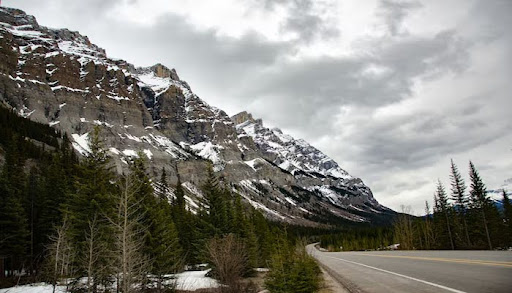
Bathed in the northern Alaskan sun Mount Denali (formerly known as Mount McKinley) rises to enforce its status as the highest peak in North America at 6,190 meters (20,310 feet) above sea level. Double down on the fact that Mount Denali both commands the position of North America’s highest summit and ranks among the global climbing challenges that exceed mere difficulty.
What special qualities define Mount Denali?
- Extreme weather dominates the region since temperatures persist below -40°F.
- Rough ground and stunning natural scenery make Denali renowned for both terrain conditions and majesty.
- The mountain stands as a cultural landmark in Alaskan society because it draws climbers as well as tourists and adventurous individuals from throughout the world.
The Longest Coastline
Stand amazed because North America boasts the longest continuous oceanfront of any continent in the world. The continental North American shoreline spreads across 41,000 miles between Arctic sea ice and Caribbean tropical waters.
What makes this coastal region so vital?
- The coastline features vital importance for both trade activities and transportation flows because New York New York together with Los Angeles and Vancouver serve as world-class port facilities.
- The coastline sustains diverse marine biodiversity throughout the continent because coastal areas maintain ecological habitats for both complex underwater species and many other water-living species.
The diverse geographical elements of North America combined with its global trade impact form a coastal space that represents the continent in its entirety.
Home to the Oldest Mountain Range in the World
Scientists identify the Appalachian Mountains as one of the oldest active geological features worldwide because they extend eastward across North America. Scientists estimate the mountains achieved their peak before the Rocky Mountains formed 480 million years ago.
The Appalachian Mountains occupy what position of world geology?
- The historical significance of this range contains Native American traces and marks from European explorer migration to the west.
- A distinct biodiversity exists across this continental portion which hosts numerous endemic plant and animal species.
The Most Diverse Population
North America features great variety. Many countries throughout the world have established their populations in North America creating a genuine multicultural community that delights in pluralistic customs along with diverse languages.
The factors behind North America’s abundant population variations need explanation.
- Both the United States and Canada welcome extensive immigrant communities that contribute multiple linguistic resources and traditional practices as well as multicultural fare.
- Through multiple cultural gatherings like Cinco de Mayo, Chinese New Year and Mardi Gras the region shows support for its diverse communities.
The cultural mixture of North America creates a lively and active environment which sets this region at the top among locations for residential or travel experiences.
The Great Barrier Reef
Most people think of the Great Barrier Reef as an element of Australian natural heritage yet coral reefs across the Caribbean exist within North American waters. Spanning from Mexico through Belize into Guatemala and Honduras the Mesoamerican Barrier Reef stands as the world’s second largest coral reef system.
Why are coral reefs important?
- A diverse population of marine species can find shelter and acquire food from reefs which benefit thousands of species throughout their many varieties.
- These ocean features operate as natural defenders to reduce the impact of storm surges and protect coastlines against erosion.
Close observation shows that these stunning coral reefs maintain key positions as vital components of North America’s ecological structure.
The Wide Array of Languages
Across North America a broad range of linguistic diversity exists since numerous languages are spoken throughout the region. Hundreds of indigenous languages coexist with both English and Spanish while numerous languages continue from diverse immigrant communities in North America.
Precisely what function does language serve in the North American sphere?
- The vast cultural tapestry of the continent finds itself represented in this language collection.
- Language stands as a fundamental element of identity together with heritage because it allows cultures to save their historical records.
Major Technological Advancements
Technology innovation has led North America in dominance for an extended period. NASA space missions alongside Silicon Valley technology companies operate as driving forces in developing today’s modern technological framework from North American shores.
The advancement of technology in North America represents what?
- Innovation leaders in North America have created three iconic achievements including personal computers, internet development and space exploration advancements.
- Innovative start-ups together with established corporations operate from this area while continuously advancing possible technological capabilities.
The continent of North America presents both fascinating historic timelines and dramatic land arrangements alongside multicultural society. These 10 Interesting Facts About North America represent only the starting point of the numerous amazing things found across the whole continent. The breathtaking landscapes of North America join the impressive coastline length across with diverse cultural roots creating a unique continental experience unlike any other.
Do these facts about North America surprise you? Without prior information how well did the listed data match your expectations and knowledge about North America? Post your thoughts in the comments or add to the ongoing dialogue.
FAQs
What are 5 facts about North America?
Freezing freshwater extends across the entirety of the Great Lakes system which stands as the world’s biggest such reserve. The continent of North America remains the world’s dominant coastal shoreline and reaches its peak with Mount Denali being its tallest North American mountain. The Appalachian Mountains stand among the world’s oldest mountain chains and the North American continent spans from arid deserts through wet rainforests.
What is unique to North America?
In North America you find geographical diversity which extends from the frigid north to hot southern lands along with its vibrant cultural diversity base. The land mass contains both the world’s biggest freshwater network with ancient mountain terrain which forms an important natural and cultural asset.
What are the 5 points of North America?
The United States forms a geographic rectangle along North America through its five extreme points comprising the Arctic Ocean on the north and the Pacific and Atlantic Oceans on the west and east and the Gulf of Mexico to the south and the Isthmus of Panama that joins it with South America.
What are 10 interesting facts about America?
Containing more than 277 miles the Grand Canyon stretches across the entire territory of the United States which consists of fifty distinct states with individual governmental systems. America became history’s first spacefaring nation by landing humans on the moon after establishing the biggest economy on Earth. The country holds 58 national parks along with being home to Yellowstone which became the world’s initial national park.
Leave a Reply