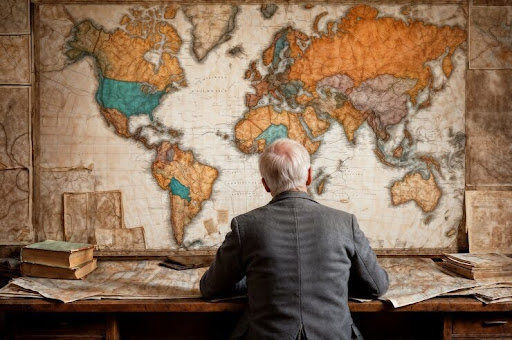
Geographical history explores the interplay between geographical factors and historical events, examining how physical landscapes, climate, and natural resources shape human societies over time. This field of study delves into how geography influences cultural development, migration patterns, trade routes, and conflicts, providing insights into how civilizations adapt to their environments. Understanding geographical history is crucial for comprehending contemporary issues such as urbanization, climate change, and geopolitical conflicts. By studying the historical relationships between geography and human activity, we can gain valuable perspectives on current global challenges and the long-term implications of our interactions with the environment. This interdisciplinary approach integrates elements of geography, history, and sociology, making it a vital area of inquiry for anyone interested in the complexities of human civilization and its relationship with the planet